Clinical and Forensic Psychology

TREATMENT INFORMATION
PTSD: Symptoms of Post Tramatic Stress Disorder (PTSD) & treatment options

DEPRESSION: Learning strategies through Cognitive Behavioural Therapy (CBT)

OCD: Understanding Obsessive Compulsive Disorder (OCD) & evidence-based treatment options

PTSD: Symptoms & Treatment Options
Post-traumatic stress disorder (PTSD) is a mental health condition that can manifest after an individual has experienced or witnessed a traumatic event, such as combat, sexual assault, natural disaster, or a serious accident. Symptoms of PTSD can include anxiety, depression, recurring intrusive memories, avoidance behaviours, sleep disturbances, and hypervigilance.
Clinical and Forensic Psychology offers effective treatment options for PTSD. Therapies like Eye Movement Desensitisation Reprocessing (EMDR), Cognitive Processing Therapy (CPT), and Trauma-Focused Cognitive-Behavioral Therapy (TF-CBT) are commonly used.
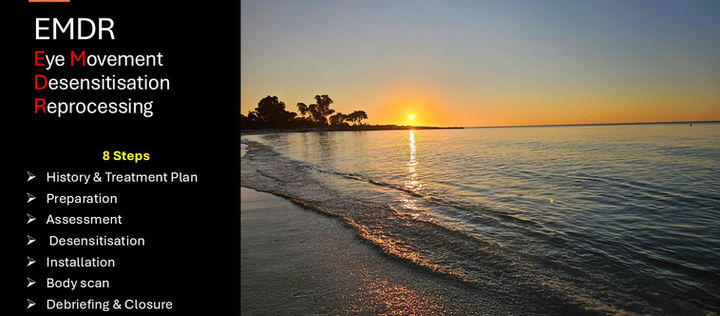
EMDR is a psychotherapy approach that has been primarily used to treat trauma-related disorders, such as post-traumatic stress disorder (PTSD). Developed by Francine Shapiro in the late 1980s, EMDR has gained recognition and popularity as an effective treatment for various psychological issues beyond trauma. The basic premise of EMDR is that traumatic experiences can get "stuck" in the brain's processing, leading to symptoms like intrusive thoughts, flashbacks, and emotional distress. EMDR aims to help individuals process these memories and their associated emotions more adaptively, ultimately reducing their negative impact.

CPT assists individuals with PTSD in understanding and challenging negative thoughts and beliefs about themselves, others, and the world. It teaches cognitive and behavioural skills to modify thoughts and beliefs that negatively affect emotions and behaviours.
TF-CBT is a trauma-focused cognitive-behavioural therapy that addresses the emotional, cognitive, and behavioural processes underlying PTSD. It includes psychoeducation, relaxation skills training, cognitive restructuring, and graduated exposure therapy.
These comprehensive therapies equip individuals with the necessary skills to cope with and overcome the detrimental effects of PTSD.
Overall, the expertise of clinical psychologists can aid individuals struggling with PTSD, empowering them to manage symptoms and enhance their quality of life.

Understanding depression, clinically known as Major Depressive Disorder (MDD).
MDD is a complex illness that affects the brain, the body, and the way a person processes thoughts and emotions.
What is depression?
1. It is a Biological and Medical Condition
Depression is not a choice, and it cannot be "snapped out of." It involves physical changes in the brain, including:
-
Neurotransmitter imbalances: Disruptions in chemicals like serotonin, norepinephrine, and dopamine, which regulate mood, energy, and pleasure.
-
Hormonal shifts: Issues with the thyroid, cortisol (the stress hormone), and estrogen/testosterone can trigger or worsen depression.
-
Genetics: Having a first-degree relative with depression may increase one's susceptibility to the condition.
2. The Symptoms: More Than Just a Low Mood
Emotional Symptoms:
-
Persistent sadness, emptiness, or hopelessness.
-
Severe irritability or frustration, even over small matters.
-
Loss of interest in hobbies, sex, or socialising (anhedonia).
-
Feeling worthless, guilty, or excessively self-critical.
Physical Symptoms:
Significant changes in appetite (eating too little or too much), leading to weight loss or gain.
-
Insomnia (inability to sleep) or hypersomnia (sleeping 12+ hours).
-
Extreme fatigue and a profound lack of energy, even after resting.
-
Slowed thinking, speaking, or body movements (psychomotor retardation).
-
Unexplained physical pain, such as headaches, stomach aches, or back pain.
Cognitive Symptoms:
-
Difficulty concentrating, remembering details, or making decisions.
-
Frequent thoughts of death, suicidal ideation, or suicide attempts.
4. The Causes:
There is rarely a single cause. Depression usually results from a combination of:
-
Genetics and biology (brain chemistry).
-
Environmental stressors (trauma, abuse, financial ruin, isolation).
-
Medical conditions (chronic pain, hypothyroidism, cancer, heart disease).
-
Substance use (alcohol and drug abuse can both cause and worsen depression).
5. Treatment:
Depression is one of the most treatable mental health conditions. Most people respond positively to treatment. The most effective approach often combines psychotherapy and medication.
Psychotherapy (Talk Therapy):
-
Cognitive Behavioural Therapy (CBT): Helps identify and change negative thought patterns and behaviours.
-
Interpersonal Therapy (IPT): Focuses on improving relationships and social functioning.
Medication:
-
Please consult your local doctor for the most suitable medication for your diagnosed condition.

Obsessive-Compulsive Disorder (OCD)
Understanding OCD: It’s Not About Being "Neat"
OCD has two major components, i.e. obsessions and compulsions;
-
Obsessions: Unwanted, intrusive thoughts, images, or urges that pop into your head repeatedly. They cause intense anxiety, disgust, or dread. They are not your true desires or values, they are the opposite of what you care about.
-
Compulsions: Mental or physical actions/behaviours you feel driven to do to make the anxiety go away or prevent a bad thing from happening.
-
The Trap: The compulsion brings temporary relief, but it trains your brain to see the obsession as a real threat. This creates a vicious cycle: the more you compulse, the more you obsess.